
9 Practical Uses of Mini Excavators for Construction, Landscaping, Farming, and Property Work
Mini excavators have become essential machines for contractors, landscapers, farmers, property owners, rental businesses, and construction crews. Their compact dimensions allow them to work in places where larger excavators may be difficult to transport, position, or operate. At the same time, modern mini excavators provide enough digging strength, hydraulic performance, and attachment compatibility to complete many demanding jobs.
A mini excavator is not limited to digging simple holes. Depending on its size, configuration, attachments, and hydraulic system, it can prepare residential land, dig utility trenches, maintain farms, install drainage, move materials, clear job sites, remove roots, prepare foundations, and support many other projects.
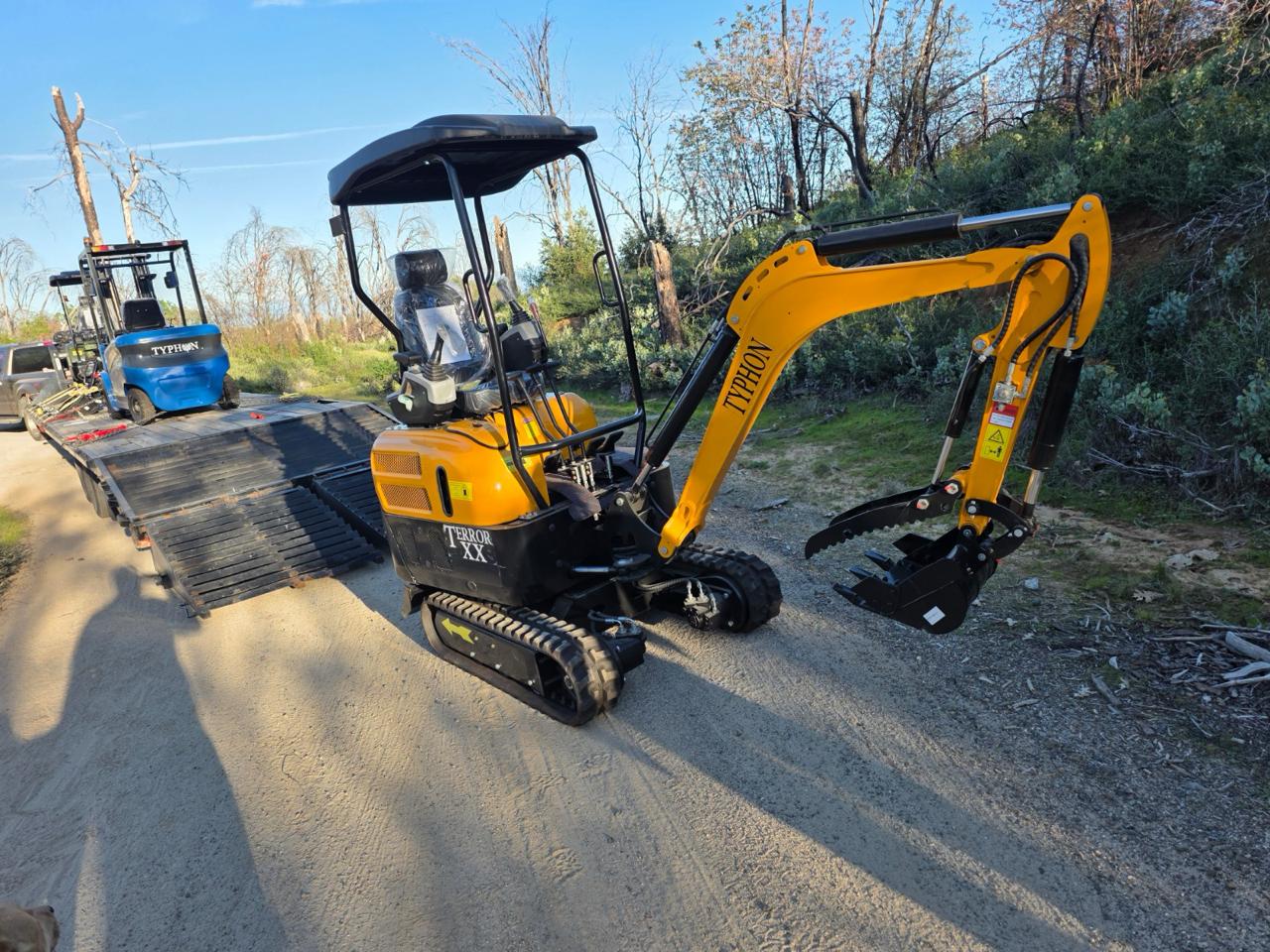
The TYPHON mini excavator lineup includes different machine sizes, canopy configurations, cabin options, engine choices, working ranges, and features. This gives buyers the ability to select a model that better matches their transportation needs, property size, operating environment, and project requirements.
This guide explains nine practical uses of mini excavators and shows why these compact machines are valuable across many industries.
1. Residential Landscaping and Property Improvement
Landscaping is one of the most common applications for a mini excavator. Many residential properties have narrow gates, limited driveway space, fences, buildings, trees, and existing garden structures. These obstacles can make it difficult to operate a full-size excavator safely.
A mini excavator provides a more practical solution. Its compact body can access smaller work areas while still offering the digging power needed for landscaping projects.
Common landscaping jobs include:
- Removing old plants and shrubs
- Digging planting holes
- Reshaping uneven land
- Preparing flower beds
- Building garden paths
- Moving soil and gravel
- Preparing small retaining walls
- Removing unwanted roots
- Creating decorative ponds
- Preparing areas for patios
The excavator bucket can remove soil quickly and consistently. The operator can also use the dozer blade to spread loose material, level surfaces, and clean the work area after digging.
For property improvement projects, accuracy is often more important than maximum machine size. A smaller excavator gives the operator better control around walls, fences, driveways, utility connections, and landscaped areas.
Mini excavators are also useful when renovating an established property. Instead of disturbing the entire yard with a large machine, the operator can focus on a smaller section. This may reduce unnecessary ground damage and simplify cleanup.
Different TYPHON mini excavator models can support light residential landscaping or larger property projects. The right model depends on access width, required digging depth, soil conditions, attachment needs, and the amount of material being moved.
2. Utility Trenching
Mini excavators are widely used for trenching because they can create narrow, controlled excavations for underground systems.
Utility trenches may be required for:
- Electrical cables
- Water pipes
- Irrigation lines
- Communication cables
- Drainage pipes
- Sewer connections
- Gas lines
- Landscape lighting
- Conduit installation
Manual trenching can take significant time and physical effort, especially when the soil is compacted, rocky, or filled with roots. A mini excavator can complete the same task more efficiently and maintain a more consistent trench depth.
A narrow trenching bucket allows the operator to remove less unnecessary soil. This can reduce the amount of backfill material and simplify restoration after the utility has been installed.
Compact excavators are particularly useful in residential areas because utility work often takes place beside homes, fences, driveways, sidewalks, and existing landscaping. The operator needs a machine that can work accurately without occupying excessive space.
Before trenching, the operator must identify underground utilities and follow all local excavation and safety requirements. Compact size does not remove the risks associated with digging near buried electrical lines, pipes, or communication systems.
A mini excavator with smooth controls, suitable hydraulic performance, and good visibility can help the operator maintain a straight trench. Boom-swing capability may also allow the machine to dig beside a wall or obstacle without repositioning the entire undercarriage.
For contractors who regularly install drainage, plumbing, irrigation, or electrical systems, a mini excavator can become one of the most productive machines in the equipment fleet.
3. Drainage and Water Management
Poor drainage can damage landscapes, foundations, roads, farm areas, and commercial properties. Standing water may weaken soil, kill plants, create muddy work areas, and contribute to erosion.
Mini excavators are useful for creating and maintaining water-management systems.
Typical drainage projects include:
- Digging drainage ditches
- Installing French drains
- Creating swales
- Placing culvert pipes
- Cleaning blocked channels
- Improving water flow around buildings
- Preparing runoff paths
- Excavating retention areas
- Installing underground drainage pipes
Drainage projects often require careful control over slope and depth. The excavation must guide water in the intended direction. Digging too deep or creating an uneven trench may prevent the system from functioning properly.
A compact excavator allows the operator to remove soil gradually and inspect the trench throughout the project. The bucket can be used for initial excavation, while the dozer blade can help shape the surrounding surface.
Mini excavators are also practical for maintaining existing drainage systems. Over time, ditches and channels may fill with soil, leaves, roots, and sediment. A compact machine can remove this material and restore water flow.
On farms, drainage supports crop health, road access, and livestock areas. Around homes, it can reduce water accumulation near foundations and outdoor living areas. On construction sites, proper drainage keeps work zones safer and more accessible.
The required excavator size depends on the drainage system. Small garden drainage may only require a lightweight machine, while deeper culverts or larger ditches may require a heavier model with greater reach and digging force.
4. Orchard, Farm, and Agricultural Work
Farms and orchards require constant maintenance. Operators may need to dig planting holes, remove roots, maintain irrigation, clean ditches, repair access roads, or install fences.
A mini excavator is valuable in agriculture because it can perform many different tasks without requiring a large construction machine.
Agricultural applications include:
- Planting trees
- Removing damaged trees
- Digging irrigation channels
- Cleaning farm ditches
- Repairing drainage systems
- Preparing fence posts
- Removing rocks
- Maintaining access paths
- Clearing brush
- Digging around farm buildings
- Preparing livestock areas
- Moving soil and organic material
In orchards, machine width is especially important. The excavator may need to travel between narrow rows without damaging trees. A compact model can work in these areas more easily than a large excavator.
Boom-swing functionality can be helpful when digging beside trees, fences, or irrigation lines. The operator may be able to position the machine straight within the row while moving the boom to the side.
A hydraulic thumb can improve the machine’s ability to handle branches, logs, roots, stones, and debris. This makes the excavator useful for cleanup as well as digging.
Farmers often prefer equipment that can complete multiple jobs because the work changes throughout the year. During planting season, the machine may prepare holes and irrigation. Later, it may clean drainage, remove fallen trees, or repair damaged roads.
A mini excavator does not replace every agricultural machine, but its versatility makes it a valuable support tool. With the correct attachment, it may complete jobs that would otherwise require manual labor or several separate machines.
5. Foundation and Site Preparation
Small construction projects frequently require excavation before concrete, blocks, posts, or structural materials can be installed.
Mini excavators can prepare sites for:
- Small building foundations
- Sheds
- Garages
- Patios
- Deck footings
- Retaining walls
- Fence lines
- Utility buildings
- Walkways
- Concrete slabs
- Swimming pools
- Outdoor structures
Foundation preparation requires accurate measurements. The operator must follow the project plan and avoid removing excessive soil. Over-excavation may require additional backfill or structural correction.
A compact excavator offers good control for smaller foundations. It can remove soil in layers and work closer to existing structures than larger equipment.
The machine can also support the surrounding site-preparation process. Before excavation, it may remove vegetation and surface material. After digging, the dozer blade may be used to move loose soil and prepare access for other equipment.
For contractors, mini excavators are useful because many residential construction projects do not provide enough room for full-size machinery. A compact machine can enter through driveways, gates, or narrow property access points.
However, operators should never assume that a smaller machine can safely excavate beside a structure without planning. Soil stability, underground services, trench depth, nearby foundations, and machine positioning must all be evaluated.
When selected correctly, a mini excavator provides a balance between digging capability and job-site mobility. It can reduce manual excavation and help construction crews complete the preparation stage more efficiently.
6. Soil Digging, Grading, and Earthmoving
Digging and earthmoving are core mini excavator functions. Even a compact machine can move significant amounts of soil compared with manual labor.
Common earthmoving tasks include:
- Removing topsoil
- Digging holes
- Cutting slopes
- Loading loose soil
- Creating level areas
- Filling low spots
- Preparing garden beds
- Reshaping property sections
- Excavating around structures
- Creating small embankments
The bucket is used to break and collect soil, while the upper structure allows the operator to swing and place material in a selected location. Soil can be loaded into a trailer, placed into a pile, or redistributed across the work area.
The dozer blade is also important. While it is not a replacement for a dedicated bulldozer, it can push loose soil, stabilize the excavator during digging, and complete basic grading work.
Soil conditions directly affect productivity. Loose soil is easier to excavate than compacted clay, rocky ground, frozen material, or soil filled with roots. The machine’s weight, bucket design, hydraulic power, and digging force should match the expected conditions.
Operators should also plan where excavated material will be placed. Poor placement can block access, create unstable piles, or force the machine to move the same soil repeatedly.
For accurate grading, work should be completed gradually. Removing too much material at once makes it harder to create the desired level. The operator should frequently inspect the surface and use measurement tools when necessary.
TYPHON mini excavators are available in different operating sizes, allowing buyers to choose between maximum compactness and greater digging performance.
7. Material Handling with a Hydraulic Thumb
A mini excavator can do more than scoop loose material. When equipped with a hydraulic thumb or compatible grapple attachment, it can grab and control irregular objects.
Material-handling applications include:
- Moving logs
- Removing branches
- Handling stones
- Picking up broken concrete
- Clearing brush
- Loading debris
- Positioning pipes
- Removing roots
- Sorting demolition material
- Handling landscape materials
The thumb works against the bucket to hold an object. This creates a gripping action that gives the operator more control than the bucket alone.
For example, a bucket may push a log but struggle to lift it securely. With a hydraulic thumb, the operator can hold the log between the thumb and bucket, lift it, rotate the machine, and place it in a controlled location.
This feature is valuable for property cleanup, forestry work, light demolition, landscaping, and storm-damage removal.
Material handling must still be performed carefully. The machine has lifting limits, and its stability changes depending on boom position, load weight, ground conditions, and machine orientation.
Heavy objects should remain close to the machine whenever possible. Extending the boom with a suspended load increases leverage and may reduce stability.
Operators should avoid lifting unknown or unsecured materials over people, vehicles, or occupied areas. The object should be gripped securely before it is moved.
A hydraulic thumb can significantly increase the versatility of a mini excavator. For buyers expecting to handle logs, rocks, roots, or debris, this feature may be as important as bucket capacity or digging depth.
8. Job-Site Cleanup and Debris Removal
Construction, landscaping, storm recovery, and property maintenance all create debris. Manual cleanup can be slow, especially when materials are heavy, sharp, wet, or mixed with soil.
Mini excavators can support cleanup by removing:
- Branches
- Roots
- Broken concrete
- Loose soil
- Small rocks
- Construction waste
- Brush
- Damaged fencing
- Landscape debris
- Demolition material
The excavator can gather debris into piles, load it into a trailer, or move it away from the active work zone.
A standard bucket works well for loose soil and small materials. A hydraulic thumb is more useful for branches, logs, slabs, and irregular objects. A rake attachment may help separate debris from soil.
Compact excavators are practical for cleanup because they can work around buildings and in areas with limited access. They are also easier to reposition across smaller job sites.
Job-site organization improves both safety and productivity. Debris should not be allowed to block machine routes, pedestrian access, drainage paths, or emergency areas.
Before cleanup begins, the operator should identify hazardous materials. A mini excavator should not be used to handle unknown chemicals, pressurized containers, live electrical equipment, or other dangerous materials without proper procedures.
When the debris is ordinary construction or landscape waste, a compact excavator can dramatically reduce the time required for cleanup.
The machine can also restore the site after debris is removed. The bucket and blade may be used to fill holes, spread clean soil, and smooth disturbed areas.
9. Roadside Work and Access-Path Maintenance
Mini excavators are useful for maintaining driveways, farm roads, access paths, roadside drainage, and narrow work zones.
Typical roadside applications include:
- Cleaning drainage ditches
- Repairing road shoulders
- Removing collapsed soil
- Installing culverts
- Clearing vegetation
- Repairing washouts
- Moving gravel
- Preparing sign or fence posts
- Removing small obstacles
- Supporting utility repairs
Larger excavators may require extensive road space and traffic control. A mini excavator has a smaller working footprint, making it easier to position near narrow roads or property entrances.
However, roadside operation still requires careful planning. The machine, boom, bucket, and spoil pile must remain clear of traffic. Workers may need warning signs, barriers, spotters, or traffic-control procedures.
Ground stability is another concern. Road shoulders and ditch edges may be soft or eroded. The operator should avoid placing the tracks too close to an unsupported edge.
Mini excavators are also useful for private access roads. Rain can wash away gravel, fill drainage channels, and create deep ruts. The machine can clean ditches, remove damaged material, and help restore the path.
On farms and large properties, access-road maintenance improves movement for trucks, tractors, delivery vehicles, and emergency equipment.
A compact excavator with a suitable bucket and blade can complete both excavation and basic surface restoration, reducing the need for multiple machines on smaller projects.
Choosing the Right Mini Excavator for the Job
The most suitable mini excavator depends on the work being performed. Buyers should not choose a machine based only on price or appearance.
Important factors include:
Operating Weight
A heavier excavator may provide greater stability and digging performance, but it may also require a larger trailer and tow vehicle. Lighter models are easier to transport and may access softer or narrower areas.
Machine Width
Width determines whether the excavator can enter gates, driveways, orchards, and restricted work zones. Always measure the narrowest access point before selecting a machine.
Digging Depth
The required digging depth depends on the project. Landscaping may need only shallow excavation, while drainage and utility work may require a deeper working range.
Engine and Power
Engine output affects machine performance, but the complete hydraulic system is equally important. Buyers should review hydraulic pressure, flow, digging force, and attachment requirements.
Canopy or Enclosed Cabin
An open canopy provides visibility and simplicity. An enclosed cabin may provide better protection from wind, dust, rain, heat, or cold. The best choice depends on the working environment.
Boom Swing
Boom swing allows the excavator to dig beside walls, fences, and obstacles without repositioning the entire machine. It is especially useful in confined areas.
Hydraulic Thumb
A hydraulic thumb improves material handling. It is valuable for logs, roots, rocks, brush, and demolition debris.
Attachment Compatibility
Different attachments can transform the machine’s capabilities. Possible attachments include narrow buckets, grading buckets, rakes, augers, hydraulic hammers, grapples, rippers, and screening buckets.
Transportation Requirements
The machine, trailer, attachments, fuel, and additional equipment must remain within the legal towing and load limits of the transport vehicle.
Benefits of Using a Mini Excavator
Mini excavators offer several advantages across different projects.
Compact Access
Their smaller size allows them to work around homes, fences, gardens, warehouses, orchards, and narrow construction areas.
Easier Transportation
Many compact excavators can be transported on an appropriate equipment trailer, depending on their operating weight and local transportation rules.
Reduced Manual Labor
Digging, lifting, and material movement can require large amounts of physical labor. A mini excavator can complete these tasks more efficiently.
Attachment Versatility
One excavator can perform several jobs by changing attachments. This increases the machine’s usefulness throughout the year.
Controlled Excavation
Modern hydraulic controls allow accurate movements, which are important when working near existing structures and utilities.
Lower Job-Site Footprint
Mini excavators require less working space than full-size equipment. This can simplify site planning on residential and commercial projects.
Important Safety Practices
Mini excavators are compact, but they are still powerful construction machines. Safe operation requires training, inspection, and proper job planning.
Before operating:
- Inspect tracks and undercarriage components.
- Check hydraulic hoses for leaks or damage.
- Confirm fluid and fuel levels.
- Inspect the bucket and attachment pins.
- Test controls in a clear area.
- Identify overhead and underground hazards.
- Confirm the ground can support the machine.
- Keep bystanders outside the working area.
- Wear the required personal protective equipment.
- Use the seat belt and operator-restraint system.
- Follow the manufacturer’s operating instructions.
Never allow a person to stand under a raised boom, bucket, or suspended load. Avoid sudden movements on slopes or unstable ground. Travel with the attachment low and position the machine carefully before digging.
When transporting the excavator, use a correctly rated trailer, loading ramps, tie-down points, chains, and binders. Confirm the total load complies with applicable transportation requirements.
Final Thoughts
Mini excavators are among the most versatile compact machines available for construction, landscaping, agriculture, property maintenance, and material handling.
Their value comes from the combination of compact access, hydraulic performance, digging capability, attachment compatibility, and transportation convenience.
A single TYPHON mini excavator may be used for residential landscaping one day, utility trenching the next, and farm maintenance later in the week. With the correct model and attachments, the machine can support a wide range of projects while reducing manual labor and improving productivity.
The nine applications covered in this guide demonstrate the versatility of the TYPHON mini excavator lineup:
- Residential landscaping
- Utility trenching
- Drainage installation
- Orchard and agricultural work
- Foundation preparation
- Soil digging and earthmoving
- Material handling
- Job-site cleanup
- Roadside maintenance
Before purchasing a mini excavator, evaluate the required digging depth, machine width, operating weight, engine, hydraulic system, attachment compatibility, cabin configuration, and transportation requirements.
A machine that properly matches the project will be safer, easier to operate, and more productive over the long term.
Explore TYPHON mini excavators and compare available models for your next construction, landscaping, agricultural, or property-maintenance project.